Why You Wake Up at 3 AM After Drinking (And How to Fix It)
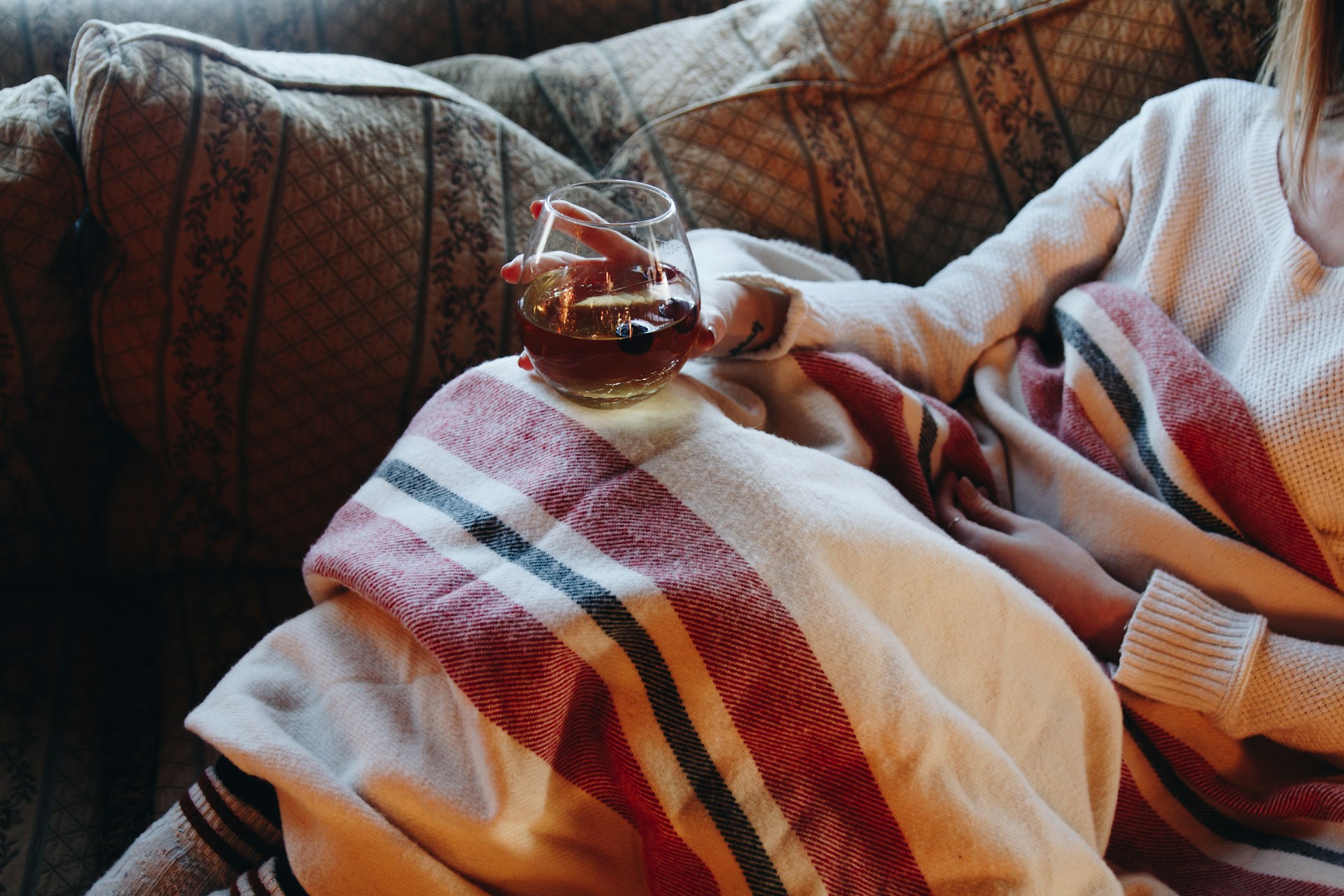
It happens almost every time. You have a few drinks with dinner or at happy hour, fall asleep easily, and then—boom. You are wide awake at 3 AM, heart racing slightly, feeling uncomfortably warm, and unable to fall back asleep.
You lie there frustrated, checking the clock every 20 minutes, knowing you will be exhausted tomorrow. And the worst part? This middle-of-the-night wake-up feels completely out of your control.
Here is what is actually happening: Alcohol fundamentally disrupts your sleep architecture, creating a predictable pattern of sleep disturbance that peaks 3-5 hours after you fall asleep—right around 3 AM for most people.
In this article, you will learn exactly why alcohol causes middle-of-the-night insomnia, what is happening in your brain when you wake up at 3 AM, and evidence-based strategies to minimize sleep disruption when you do choose to drink.
Quick Answer
Alcohol disrupts sleep in two phases. Initially, it acts as a sedative, helping you fall asleep faster. But 3-5 hours later, as your body metabolizes the alcohol, you experience a rebound effect: increased wakefulness, reduced REM sleep, elevated heart rate, and disrupted temperature regulation. This rebound typically occurs between 2-4 AM, causing the classic middle-of-the-night wake-up. The more you drink, the worse the rebound.
The Two-Phase Alcohol Sleep Disruption
Alcohol affects sleep in a biphasic pattern—meaning it has opposite effects in the first and second half of the night.
Phase 1: The Sedative Effect (Hours 1-3)
When you drink alcohol in the evening, it initially acts as a central nervous system depressant. This is why many people feel it helps them fall asleep:
- Faster sleep onset - You fall asleep 10-20 minutes quicker
- Increased deep sleep initially - More slow-wave sleep in the first half of the night
- Reduced sleep latency - Less time tossing and turning
- Muscle relaxation - Physical tension decreases
This phase feels good. You think, "Alcohol helps me sleep!" But this is only half the story.
Phase 2: The Rebound Effect (Hours 3-8)
As your liver metabolizes alcohol (roughly one standard drink per hour), your body experiences a rebound effect. Everything that was suppressed in Phase 1 comes roaring back—often with a vengeance:
- REM sleep disruption - REM sleep is suppressed or fragmented
- Increased wakefulness - More frequent awakenings in the second half of the night
- Elevated heart rate - Sympathetic nervous system activation
- Temperature dysregulation - Feeling hot, sweaty, or uncomfortable
- Increased cortisol - Stress hormone rises abnormally
- Bladder urgency - Alcohol is a diuretic
This rebound typically occurs 3-5 hours after falling asleep. If you go to bed at 11 PM, that puts you right at 2-4 AM—the classic "3 AM wake-up."
Why 3 AM Specifically?
The timing is not random. Here is the math:
Example Timeline:
- 8 PM: You have 2-3 drinks over dinner
- 11 PM: You go to bed (alcohol still metabolizing)
- 11:15 PM: You fall asleep quickly (sedative effect)
- 2-3 AM: Blood alcohol reaches near-zero (rebound begins)
- 3 AM: You wake up, heart racing, unable to return to sleep
Your body has cleared most of the alcohol, and the rebound effect hits hardest. Your sympathetic nervous system activates (fight-or-flight response), your REM sleep is disrupted, and your body temperature regulation is thrown off.
What Happens in Your Brain During the 3 AM Wake-Up
When you wake up at 3 AM after drinking, multiple systems are going haywire simultaneously:
1. REM Sleep Disruption
REM (Rapid Eye Movement) sleep is critical for emotional regulation, memory consolidation, and mental restoration. Alcohol suppresses REM sleep throughout the night, but the second half of the night is when you normally get the most REM sleep. When the rebound hits, your brain attempts to "catch up" on REM, but the process is chaotic and often results in waking up instead.
2. Sympathetic Nervous System Activation
As alcohol leaves your system, your sympathetic nervous system (responsible for the fight-or-flight response) becomes hyperactive. This is why you wake up with:
- Racing heart or palpitations
- Feeling anxious or on edge
- Sweating or feeling uncomfortably warm
- Difficulty calming down enough to fall back asleep
3. Glutamate Rebound
Alcohol suppresses glutamate, an excitatory neurotransmitter. When alcohol is metabolized, glutamate levels surge, causing increased brain activity and wakefulness. This rebound keeps your brain in a hyperactive state, making it difficult to return to sleep.
4. Disrupted Temperature Regulation
Alcohol initially dilates blood vessels, making you feel warm. But as it metabolizes, your body struggles to regulate temperature properly. Many people wake up sweating or feeling too hot, which disrupts sleep continuity.
⚠️ Important: Even if you do not wake up fully at 3 AM, your sleep quality is still degraded. Studies using sleep trackers show that alcohol causes increased awakenings, reduced deep sleep in the second half of the night, and overall fragmented sleep—even when people do not remember waking up.
How Much Alcohol Causes the 3 AM Wake-Up?
The more you drink, the worse the rebound effect. But even moderate amounts can disrupt sleep:
| Amount | Sleep Impact | 3 AM Wake-Up Risk |
|---|---|---|
| 1 drink | Minimal disruption | Low |
| 2 drinks | Moderate REM suppression | Moderate |
| 3-4 drinks | Significant REM disruption, increased awakenings | High |
| 5+ drinks | Severe sleep fragmentation, minimal REM | Very High |
Individual tolerance varies, but research consistently shows that even 2-3 drinks significantly degrade sleep quality in the second half of the night.
How to Fix It: Evidence-Based Strategies
You cannot completely eliminate the rebound effect if you drink, but you can minimize its impact.
1. Time Your Drinking Earlier
The earlier you stop drinking, the more time your body has to metabolize alcohol before bed. Aim to finish your last drink at least 3-4 hours before sleep. If you go to bed at 11 PM, stop drinking by 7-8 PM.
2. Limit to 1-2 Drinks Maximum
The dose-response relationship is clear: more alcohol equals worse sleep. If you want to minimize disruption, stick to 1-2 drinks and space them out over several hours.
3. Hydrate Aggressively
Drink one glass of water for every alcoholic beverage. Dehydration worsens the rebound effect and increases the likelihood of waking up at 3 AM. Consider drinking 16-20 oz of water before bed.
4. Avoid Mixing Alcohol with Sleep Medications
Combining alcohol with sleep aids, sedatives, or even melatonin can amplify negative effects and increase next-day grogginess. Both are central nervous system depressants and should not be mixed.
5. Optimize Your Sleep Environment
Since alcohol disrupts temperature regulation, keep your bedroom cool (65-68°F). Use breathable sheets and have water nearby if you wake up thirsty or overheated.
6. Have a Plan for 3 AM Wake-Ups
If you do wake up, do not lie there frustrated:
- Practice slow, deep breathing to calm your nervous system
- Do not check your phone or turn on bright lights
- If you cannot fall back asleep after 20 minutes, get up and do a quiet, non-stimulating activity
- Avoid drinking more alcohol to "help" you fall back asleep—this only perpetuates the cycle
🎯 Key Takeaways
- Alcohol causes a biphasic sleep effect: initial sedation followed by a rebound 3-5 hours later
- The 3 AM wake-up is caused by REM disruption, sympathetic nervous system activation, and glutamate rebound
- Even 2-3 drinks significantly degrade sleep quality in the second half of the night
- Stop drinking 3-4 hours before bed to minimize disruption
- Limit to 1-2 drinks and hydrate aggressively to reduce the rebound effect
See How Alcohol Affects Your Sleep
Use our Alcohol Sleep Impact Calculator to see exactly how your drinking affects sleep quality, REM cycles, and next-day recovery based on timing and quantity.
Try the Alcohol Sleep Calculator →Input your drinking patterns and see personalized predictions for sleep disruption and recovery time.
Sources & Further Reading
- Ebrahim IO, Shapiro CM, Williams AJ, Fenwick PB. Alcohol and sleep I: effects on normal sleep. Alcoholism: Clinical and Experimental Research. 2013;37(4):539-549. View study
- Roehrs T, Roth T. Sleep, sleepiness, and alcohol use. Alcohol Research & Health. 2001;25(2):101-109.
- Colrain IM, Nicholas CL, Baker FC. Alcohol and the sleeping brain. Handbook of Clinical Neurology. 2014;125:415-431.
- Park SY, Oh MK, Lee BS, et al. The effects of alcohol on quality of sleep. Korean Journal of Family Medicine. 2015;36(6):294-299.
Medical Disclaimer: This article is for informational purposes only and does not constitute medical advice. If you experience persistent sleep disturbances, chronic insomnia, or difficulty controlling alcohol consumption, consult with qualified healthcare professionals for proper evaluation and treatment.
Last updated: January 2026