Drinking Coffee After This Time Ruins Your Sleep—Here's When to Stop
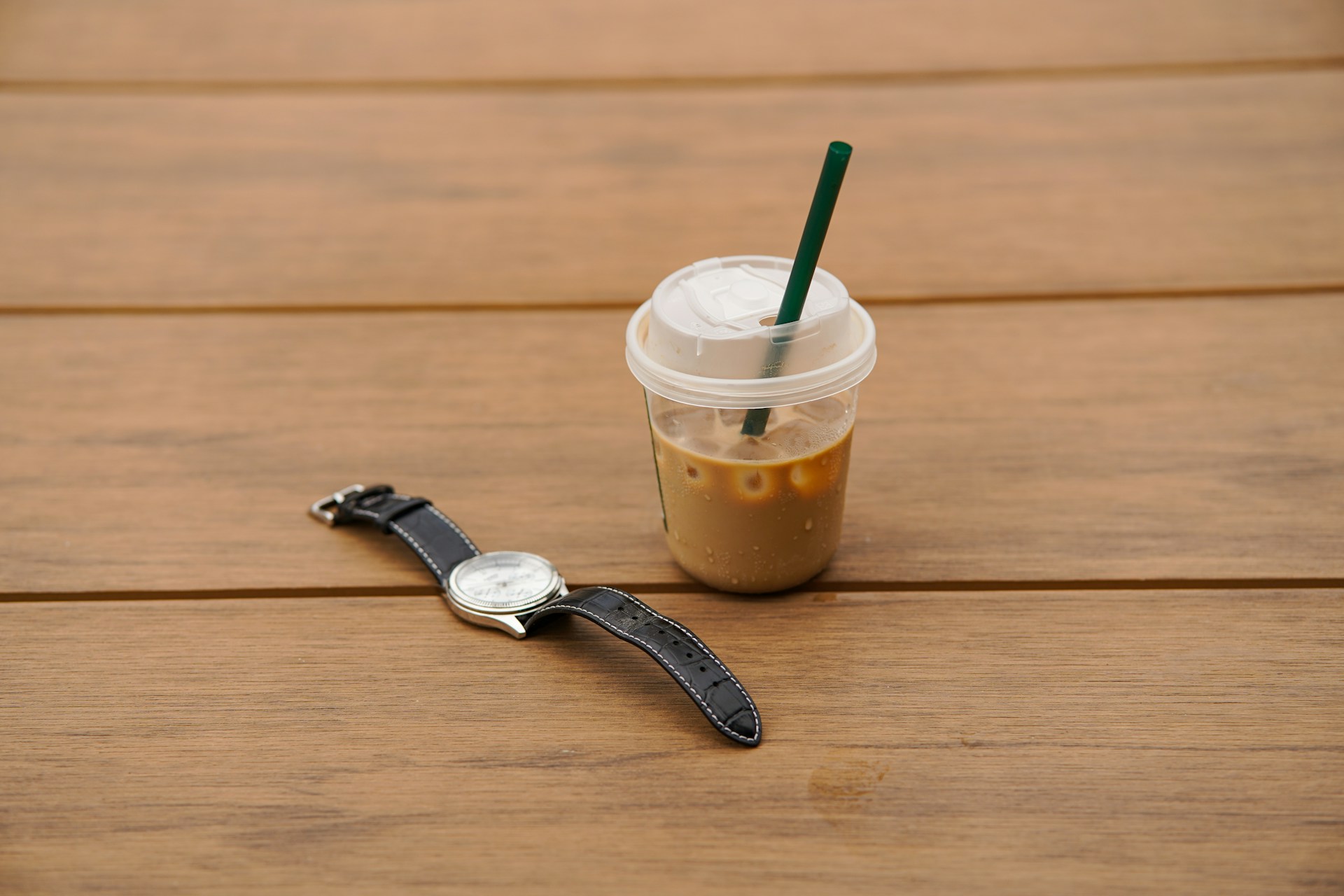
Here's the simple answer everyone wants: Stop drinking coffee by 2 PM if you go to bed at 10 PM.
But here's the more accurate answer: it depends on your bedtime, your caffeine sensitivity, and how seriously you take your sleep quality.
Most people know that drinking coffee at 8 PM will keep them awake. But what they don't realize is that their afternoon coffee—consumed 8, 10, or even 12 hours before bed—is quietly sabotaging their sleep without them knowing it.
You might fall asleep just fine, but your sleep quality suffers. You wake up feeling unrested, groggy, and reaching for more coffee to compensate. It's a vicious cycle driven by poor timing.
In this article, you'll learn the exact cutoff time for your last coffee, why timing matters more than you think, and how to break the caffeine-sleep trap.
Quick Answer
The 8-10 Hour Rule: Stop consuming caffeine 8-10 hours before your planned bedtime. For most people going to bed at 10 PM, this means no coffee after 12-2 PM. Sensitive individuals should extend this to 10-12 hours (last coffee by 10 AM-12 PM). This ensures caffeine levels drop low enough to allow natural sleep signals to work properly.
Why Timing Matters More Than Quantity
You might think, "I'll just have a small coffee later" or "I'll switch to a lighter roast." But when it comes to sleep, timing beats quantity every time.
Here's why: Caffeine blocks adenosine receptors in your brain. Adenosine is the neurochemical that builds up throughout the day to make you sleepy. When bedtime rolls around, you need those receptors clear so adenosine can do its job.
Even a small amount of caffeine lingering in your system can block enough receptors to interfere with sleep onset and quality. A 2013 study in the Journal of Clinical Sleep Medicine found that 400mg of caffeine consumed 6 hours before bed reduced sleep by more than 1 hour—and participants often didn't even realize it.
The Caffeine Half-Life Problem
Caffeine has an average half-life of 5 hours. This means:
- Drink 200mg at 2 PM → 100mg remains at 7 PM
- Drink 200mg at 3 PM → 100mg remains at 8 PM
- Drink 200mg at 4 PM → 100mg remains at 9 PM
By the time you're trying to sleep at 10 PM, there's still enough caffeine in your bloodstream to interfere with natural sleep mechanisms.
The Definitive Cutoff Times (By Bedtime)
Here are science-backed cutoff times based on common bedtimes:
If you go to bed at 10 PM:
- Conservative (best sleep): Last coffee by 12 PM
- Moderate: Last coffee by 2 PM
- Absolute latest: 3 PM (only for fast metabolizers)
If you go to bed at 11 PM:
- Conservative: Last coffee by 1 PM
- Moderate: Last coffee by 3 PM
- Absolute latest: 4 PM
If you go to bed at midnight:
- Conservative: Last coffee by 2 PM
- Moderate: Last coffee by 4 PM
- Absolute latest: 5 PM
Early birds (9 PM bedtime):
- Conservative: Last coffee by 11 AM
- Moderate: Last coffee by 1 PM
- Absolute latest: 2 PM
💡 Key Insight: Notice that even with a midnight bedtime, 4 PM is pushing it. The afternoon coffee habit that feels harmless is likely impacting your sleep more than you realize.
Are You a Fast or Slow Caffeine Metabolizer?
Not everyone processes caffeine at the same rate. Your genetics, age, and lifestyle factors determine whether you're a "fast" or "slow" metabolizer.
Signs you're a SLOW metabolizer:
- Coffee makes you jittery or anxious
- Effects last 6+ hours
- Even morning coffee affects afternoon energy
- You've always been "sensitive" to caffeine
- Sleep issues despite cutting back on late-day caffeine
Signs you're a FAST metabolizer:
- Coffee effects wear off quickly (2-3 hours)
- You can drink coffee in the evening and still sleep
- You need multiple cups to feel awake
- You rarely feel jittery from caffeine
If you're a slow metabolizer, add 2-4 hours to all the cutoff times above. Your last coffee might need to be at 10 AM-12 PM even for a 10 PM bedtime.
What About Other Caffeine Sources?
Coffee isn't the only culprit. Here's the caffeine content in common drinks and when to cut them off:
| Drink | Caffeine Content | Same Cutoff Rules? |
|---|---|---|
| Espresso (2oz) | 120-140mg | Yes |
| Energy drink (16oz) | 160-240mg | Yes (or earlier—sugar adds issues) |
| Black tea (8oz) | 40-70mg | Add 2 hours to cutoff |
| Green tea (8oz) | 25-50mg | Add 2-3 hours to cutoff |
| Dark chocolate (1oz) | 12-25mg | Add 3-4 hours to cutoff |
| Soda (12oz) | 30-55mg | Add 3-4 hours to cutoff |
Energy drinks deserve special mention: They often combine high caffeine with sugar and other stimulants. Cut these off even earlier—10-12 hours before bed minimum.
🎯 Key Takeaways
- Stop caffeine 8-10 hours before bedtime (10-12 hours if you're sensitive)
- For a 10 PM bedtime, cut off coffee by 12-2 PM maximum
- Timing matters more than quantity—even small amounts late interfere with sleep
- Slow metabolizers should cut off caffeine earlier (10 AM-12 PM)
- Give your body 2 weeks to adjust to earlier cutoff times
Find Your Perfect Coffee Cutoff Time
Everyone's caffeine metabolism is different. Use our Caffeine Half-Life Calculator to determine your exact cutoff time based on your consumption, sensitivity, and sleep schedule.
Calculate Your Cutoff Time →Input your typical coffee consumption and bedtime, and see precisely when caffeine clears your system. Stop guessing—get personalized data.
Sources & Further Reading
- Drake C, Roehrs T, Shambroom J, Roth T. Caffeine effects on sleep taken 0, 3, or 6 hours before going to bed. Journal of Clinical Sleep Medicine. 2013;9(11):1195-1200. View study
- Clark I, Landolt HP. Coffee, caffeine, and sleep: A systematic review of epidemiological studies and randomized controlled trials. Sleep Medicine Reviews. 2017;31:70-78.
- Cornelis MC, El-Sohemy A, Campos H. Genetic polymorphism of the adenosine A2A receptor is associated with habitual caffeine consumption. American Journal of Clinical Nutrition. 2007;86(1):240-244.
Medical Disclaimer: This article is for informational purposes only and does not constitute medical advice. Consult with qualified healthcare professionals for personalized medical guidance.
Last updated: January 2026