Night Owls vs. Early Birds: Which Chronotype Lives Longer?
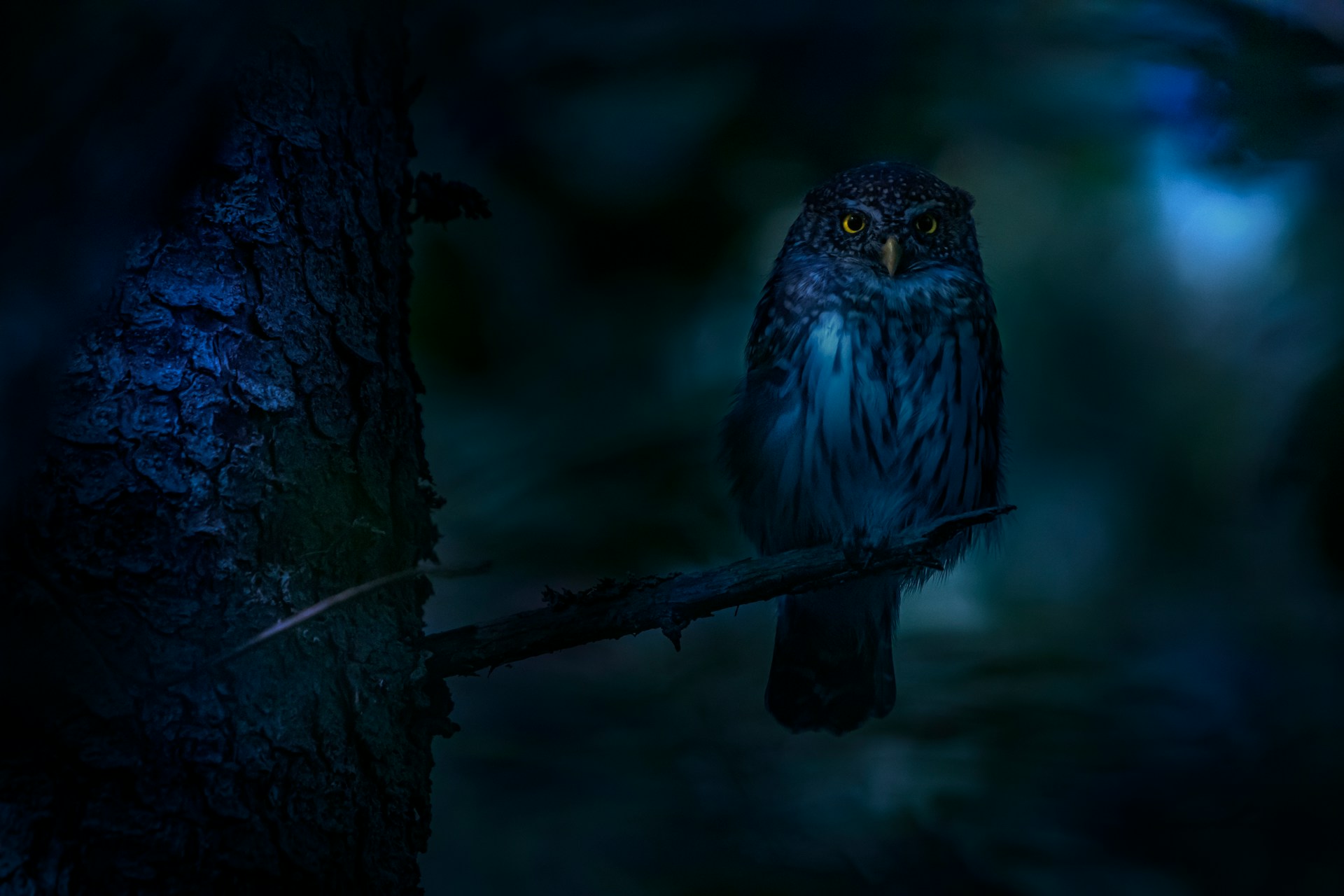
Are you a night owl or a morning lark? Your answer might predict more than just when you prefer to wake up—it could influence how long you live.
Emerging research shows that night owls (evening chronotypes) face significantly higher health risks and potentially shorter lifespans compared to morning larks. A 2018 study tracking 433,000 people over 6.5 years found that night owls had a 10% higher risk of dying from any cause compared to morning types.
This is not about willpower or discipline. Night owls are not lazy—they have a genetic circadian preference for later sleep-wake times. But living in a world designed for morning people creates chronic circadian misalignment that takes a serious toll on health.
In this article, you will learn why night owls face increased health risks, whether chronotype is modifiable, and evidence-based strategies night owls can use to protect their longevity.
Quick Answer
Studies show night owls have a 10% higher mortality risk compared to morning larks. This is primarily due to chronic circadian misalignment—night owls forced to live on morning-centric schedules (early work hours, school, social obligations) experience disrupted sleep, metabolic dysfunction, increased inflammation, and higher rates of cardiovascular disease, diabetes, and mental health disorders. The risk is not inherent to being a night owl—it is the societal mismatch between biology and environment.
The Research: Night Owls vs. Morning Larks
The largest study to date, published in Chronobiology International (2018), tracked 433,268 adults aged 38-73 for 6.5 years. Researchers found:
| Health Outcome | Night Owl Risk Increase |
|---|---|
| All-cause mortality | +10% |
| Diabetes | +30% |
| Cardiovascular disease | +10% |
| Psychological disorders | +94% |
| Neurological disorders | +25% |
| Respiratory diseases | +23% |
| Gastrointestinal diseases | +22% |
These are not small differences. Night owls face nearly double the risk of psychological disorders and significant increases across almost every major health category.
Why Do Night Owls Have Worse Health Outcomes?
The problem is not being a night owl—it is living as a night owl in a morning-lark world. Here is what happens:
1. Chronic Circadian Misalignment
Night owls have a genetic preference for later sleep-wake times (bedtime 1-3 AM, wake time 9-11 AM). But society runs on morning schedules: work starts at 8-9 AM, schools begin at 7-8 AM, appointments are scheduled for mornings.
This forces night owls to wake earlier than their biology dictates, creating chronic jet lag—also called "social jet lag." Over years and decades, this misalignment causes:
- Sleep deprivation - Night owls lose 1-2 hours of sleep per night on weekdays
- Metabolic disruption - Eating and exercising at circadian-mismatched times impairs metabolism
- Hormonal dysregulation - Cortisol, melatonin, and insulin rhythms are thrown off
- Inflammation - Chronic misalignment increases inflammatory markers
2. Poor Sleep Quality and Quantity
Night owls forced to wake early accumulate sleep debt during the week and attempt to "catch up" on weekends (sleeping 2-3 hours later). This irregular sleep schedule:
- Fragments circadian rhythms
- Reduces deep sleep and REM sleep
- Increases daytime fatigue
- Elevates risk of insomnia and sleep disorders
3. Unhealthy Coping Behaviors
Chronically sleep-deprived night owls often develop compensatory behaviors that worsen health:
- Excessive caffeine use - To fight morning grogginess
- Poor diet choices - Late-night eating, skipped breakfasts, more processed foods
- Reduced physical activity - Too tired to exercise
- Increased alcohol and substance use - Higher rates of self-medication for stress
4. Light Exposure Patterns
Night owls often get less morning sunlight (sleeping through sunrise) and more artificial light at night, which:
- Weakens circadian rhythms
- Suppresses melatonin production
- Delays sleep onset even further
- Reduces vitamin D synthesis
⚠️ Critical Point: The health risks are not inherent to being a night owl. Night owls who are able to align their schedule with their biology (working evenings, flexible hours) do not show these elevated risks. The problem is the societal mismatch.
Can You Change Your Chronotype?
Chronotype is approximately 50% genetic. You cannot turn a night owl into a morning lark through willpower alone. However, you can shift your circadian rhythm modestly (1-2 hours) with consistent effort.
Strategies to shift circadian rhythm earlier:
- Morning bright light exposure - Get 15-30 minutes of sunlight within 30 minutes of waking
- Evening light avoidance - Dim lights 2 hours before bed, use blue light blockers
- Consistent sleep schedule - Same wake time every day, including weekends
- Strategic melatonin use - 0.5-1mg taken 5-6 hours before desired bedtime
- Earlier meal timing - Breakfast within 1 hour of waking, dinner before 7 PM
- Morning exercise - Physical activity after waking reinforces circadian cues
These strategies can shift your rhythm 1-2 hours earlier, but they require permanent lifestyle changes. As soon as you stop, your natural chronotype reasserts itself.
Protective Strategies for Night Owls
If changing your chronotype is not feasible or desirable, focus on minimizing the harm of circadian misalignment:
1. Optimize Your Sleep Quality
Prioritize sleep quantity and consistency:
- Aim for 7-9 hours of sleep, even if later
- Keep a consistent weekend schedule (within 1 hour of weekday wake time)
- Optimize sleep environment (cool, dark, quiet)
2. Negotiate Flexible Work Hours
If possible, advocate for:
- Later start times (10-11 AM instead of 8-9 AM)
- Remote work with flexible scheduling
- Shift work that aligns with your chronotype
Even a 1-2 hour shift can dramatically reduce health risks.
3. Time Meals With Your Biology
Eat meals when your body expects them relative to your circadian phase, not clock time. For night owls:
- Breakfast 1-2 hours after waking (even if that is 10 AM)
- Largest meal mid-day
- Lighter dinner, but not too late (3-4 hours before bed)
4. Manage Caffeine Strategically
Use caffeine to support wakefulness without disrupting sleep:
- Delay first coffee 1-2 hours after waking (to avoid adenosine rebound)
- Stop caffeine 8-10 hours before bed
- Limit total intake to 300-400mg per day
5. Prioritize Cardiovascular Health
Since night owls face higher cardiovascular risk, focus on protective factors:
- Regular aerobic exercise (150+ minutes per week)
- Mediterranean-style diet (high in vegetables, fish, healthy fats)
- Stress management and sleep hygiene
- Regular health screenings (blood pressure, cholesterol, blood sugar)
🎯 Key Takeaways
- Night owls have a 10% higher mortality risk compared to morning larks
- The risk stems from chronic circadian misalignment, not being a night owl itself
- Health risks include increased diabetes, cardiovascular disease, mental health disorders, and inflammation
- Chronotype is ~50% genetic and difficult to change permanently
- Night owls can reduce risks by optimizing sleep, negotiating flexible schedules, and managing lifestyle factors
Discover Your Chronotype
Use our Circadian Rhythm Calculator to determine your chronotype and get personalized recommendations for optimal sleep, work, and lifestyle timing based on your biology.
Find Your Chronotype →Learn whether you are a morning lark, night owl, or somewhere in between.
Sources & Further Reading
- Knutson KL, von Schantz M. Associations between chronotype, morbidity and mortality in the UK Biobank cohort. Chronobiology International. 2018;35(8):1045-1053. View study
- Roenneberg T, Allebrandt KV, Merrow M, Vetter C. Social jetlag and obesity. Current Biology. 2012;22(10):939-943.
- Wittmann M, Dinich J, Merrow M, Roenneberg T. Social jetlag: misalignment of biological and social time. Chronobiology International. 2006;23(1-2):497-509.
- Walker WH, Walton JC, DeVries AC, Nelson RJ. Circadian rhythm disruption and mental health. Translational Psychiatry. 2020;10(1):28.
Medical Disclaimer: This article is for informational purposes only and does not constitute medical advice. Consult with qualified healthcare professionals for personalized health guidance.
Last updated: January 2026