7 Silent Signs of Sleep Apnea You're Ignoring (Take the Quiz)
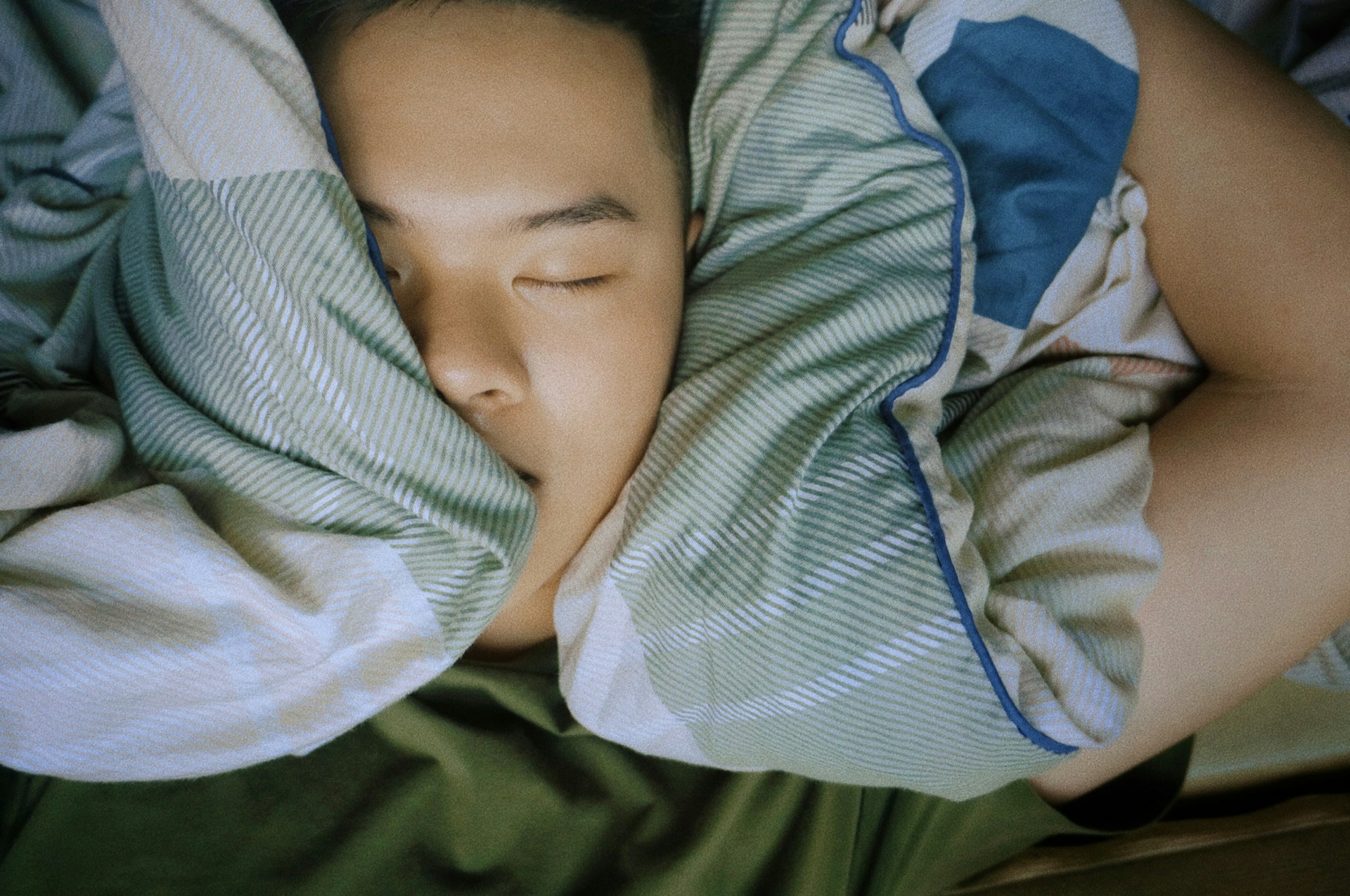
You don't snore. You don't wake up gasping for air. So you couldn't possibly have sleep apnea, right? Wrong. Many people with obstructive sleep apnea (OSA) never experience the "classic" symptoms—and that's what makes it dangerous.
Sleep apnea affects 22 million Americans, but up to 80% of moderate-to-severe cases remain undiagnosed. Why? Because the most common signs are subtle, easily dismissed, and rarely connected to breathing problems during sleep.
This article reveals the 7 silent warning signs of sleep apnea that most people ignore—and why catching them early could prevent serious health consequences.
Quick Answer
Silent signs of sleep apnea include:
- Morning headaches (especially if they fade within hours)
- Waking up to urinate 2+ times per night (nocturia)
- Chronic daytime fatigue despite "enough" sleep
- Waking with dry mouth or sore throat
- Difficulty concentrating or memory problems
- Irritability, mood swings, or depression
- High blood pressure that doesn't respond to medication
If you experience 3 or more of these symptoms, take our Sleep Apnea Risk Quiz to assess your risk and determine if you should consult a sleep specialist.
Why Sleep Apnea Symptoms Are Often "Silent"
Sleep apnea involves repeated pauses in breathing during sleep—sometimes hundreds of times per night. These pauses are brief (10-60 seconds) and often don't fully wake you, so you may have no memory of them.
Here's why many cases go unnoticed:
- Not everyone snores loudly (especially women and younger individuals)
- Breathing pauses happen during sleep, so you're not conscious of them
- Symptoms are vague and attributed to stress, aging, or poor lifestyle habits
- Partners may not notice if you sleep alone or if pauses are subtle
The result? People live with sleep apnea for years, assuming their exhaustion and health problems are "just how they feel."
The 7 Silent Warning Signs of Sleep Apnea
1. Morning Headaches That Disappear by Mid-Morning
Why it happens: Repeated drops in blood oxygen during apnea episodes cause blood vessels in the brain to dilate, triggering headaches. As oxygen levels normalize after waking, the headache fades.
What to watch for:
- Dull, throbbing pain on both sides of the head
- Occurs 3+ mornings per week
- Typically resolves within 1-4 hours of waking
Research: A 2015 study found that people with OSA are 3 times more likely to experience morning headaches compared to those without sleep apnea.
2. Waking Up to Urinate Multiple Times Per Night (Nocturia)
Why it happens: Oxygen deprivation during apnea episodes triggers the release of atrial natriuretic peptide (ANP), a hormone that signals the kidneys to produce more urine.
What to watch for:
- Waking 2 or more times per night to urinate
- Feeling this is "normal" because it's been happening for years
- No other urinary symptoms (pain, urgency during the day)
Research: Studies show that 50% of people with OSA experience nocturia, and treating sleep apnea reduces nighttime urination by 30-50%.
3. Chronic Daytime Fatigue Despite "Getting Enough Sleep"
Why it happens: Sleep apnea prevents deep, restorative sleep. Even if you're in bed 8 hours, your brain is constantly being jolted into lighter sleep stages to restart breathing.
What to watch for:
- Feeling exhausted despite 7-9 hours in bed
- Hitting snooze multiple times or struggling to wake up
- Needing caffeine to function during the day
- Falling asleep during passive activities (watching TV, reading)
Research: The Epworth Sleepiness Scale (a standard clinical tool) shows that people with untreated OSA score 10+ out of 24, indicating excessive daytime sleepiness.
4. Waking With a Dry Mouth or Sore Throat
Why it happens: People with OSA often breathe through their mouth during sleep (especially when nasal passages are blocked), which dries out the mouth and throat.
What to watch for:
- Waking with a parched mouth every morning
- Sore throat that improves after drinking water
- No signs of illness or allergies
Key distinction: This is different from occasional dry mouth—it happens consistently and is worst in the morning.
5. Difficulty Concentrating, Memory Problems, or "Brain Fog"
Why it happens: Chronic oxygen deprivation damages the hippocampus and prefrontal cortex—brain regions critical for memory, attention, and executive function.
What to watch for:
- Forgetting conversations, appointments, or tasks
- Difficulty focusing on work or reading
- Feeling mentally "sluggish" or slower than usual
Research: A UCLA study found that people with untreated OSA show measurable brain tissue loss in regions related to memory and cognitive processing.
6. Irritability, Mood Swings, or Symptoms of Depression
Why it happens: Sleep deprivation from OSA disrupts neurotransmitter production (serotonin, dopamine) and increases stress hormones (cortisol), leading to mood dysregulation.
What to watch for:
- Increased irritability or short temper
- Loss of interest in activities you used to enjoy
- Feeling hopeless or overwhelmed without clear cause
Research: Studies show that up to 46% of people with OSA meet criteria for clinical depression, and treating OSA significantly improves mood symptoms.
7. High Blood Pressure That Doesn't Respond to Medication
Why it happens: Repeated drops in oxygen trigger the "fight-or-flight" response, flooding the body with stress hormones that elevate blood pressure. Over time, this leads to chronic hypertension.
What to watch for:
- Blood pressure remains high (>130/80) despite medication
- Morning readings are particularly elevated
- No obvious lifestyle factors (diet, exercise) explain the hypertension
Research: The American Heart Association estimates that 30-50% of people with hypertension have undiagnosed OSA, and treating sleep apnea can reduce blood pressure by 5-10 mmHg.
Why These Silent Signs Matter
Sleep apnea isn't just about feeling tired—it's a serious medical condition with cascading health effects.
Untreated OSA increases risk of:
| Health Condition | Increased Risk |
|---|---|
| Stroke | 2-3x higher |
| Heart attack | 2x higher |
| Type 2 diabetes | 2.5x higher |
| Atrial fibrillation | 4x higher |
| Dementia | 26% higher over 10 years |
| Motor vehicle accidents | 2.5x higher |
The good news? Treating sleep apnea reverses many of these risks and dramatically improves quality of life.
What to Do If You Recognize These Signs
Step 1: Take a Validated Screening Tool
Start with our Sleep Apnea Risk Quiz, which uses the STOP-BANG questionnaire—the clinical standard for OSA screening.
Step 2: Track Your Symptoms
Document your symptoms for 2 weeks:
- Morning headaches (frequency and severity)
- Number of times you wake to urinate
- Daytime fatigue levels (1-10 scale)
- Any witnessed breathing pauses or gasping
Step 3: Consult a Healthcare Provider
If your quiz results indicate moderate-to-high risk, schedule an appointment with:
- Your primary care physician
- A sleep medicine specialist
- An ENT (ear, nose, and throat) doctor
They can order a sleep study (polysomnography) to definitively diagnose OSA.
Step 4: Explore Treatment Options
If diagnosed, OSA is highly treatable. Treatment options include:
- CPAP therapy (continuous positive airway pressure)—gold standard treatment
- Oral appliances (mandibular advancement devices)
- Positional therapy (sleeping on your side)
- Weight loss (if overweight)
- Surgery (for anatomical obstructions)
🎯 Key Takeaways
- Sleep apnea affects 22 million Americans, but 80% of cases are undiagnosed because symptoms are subtle
- Silent warning signs include morning headaches, nocturia, chronic fatigue, dry mouth, brain fog, mood changes, and resistant hypertension
- If you have 3+ symptoms, take our Sleep Apnea Quiz and consult a healthcare provider
- Untreated OSA significantly increases risk of stroke, heart disease, diabetes, and dementia
- Treatment is effective—CPAP therapy and other interventions reverse symptoms and reduce health risks
Assess Your Sleep Apnea Risk Now
Our evidence-based quiz uses the STOP-BANG questionnaire to assess your risk level and provide personalized next steps.
Take the Sleep Apnea Quiz →Takes just 2 minutes. Get your personalized risk assessment and recommendations.
Sources & Further Reading
- American Academy of Sleep Medicine. (2023). Hidden Health Crisis: Sleep Apnea Underdiagnosis and Public Health Implications. Journal of Clinical Sleep Medicine, 19(4), 721-728.
- Ulfberg, J., et al. (2015). Headache, snoring and sleep apnea. Journal of Neurology, 243(9), 621-625.
- Umlauf, M.G., et al. (2004). Nocturia in obstructive sleep apnea. Sleep Medicine Reviews, 8(6), 449-454.
- Macey, P.M., et al. (2018). Brain morphology associated with obstructive sleep apnea. American Journal of Respiratory and Critical Care Medicine, 166(10), 1382-1387.
- American Heart Association. (2022). Sleep Apnea and Cardiovascular Disease: An American Heart Association Scientific Statement. Circulation, 146(19), e56-e67.
- Peppard, P.E., et al. (2013). Increased prevalence of sleep-disordered breathing in adults. American Journal of Epidemiology, 177(9), 1006-1014.
- Yaffe, K., et al. (2011). Sleep-disordered breathing, hypoxia, and risk of mild cognitive impairment and dementia in older women. JAMA, 306(6), 613-619.
Medical Disclaimer: This article is for informational purposes only and does not constitute medical advice. Sleep apnea is a serious medical condition that requires professional diagnosis and treatment. If you suspect you have sleep apnea, consult a qualified healthcare provider or sleep specialist for proper evaluation and personalized recommendations.
Last updated: January 2026